What Kalshi and Polymarket Will Do Next to Shape the Future of Prediction Markets
The Two Biggest Names in Prediction Markets
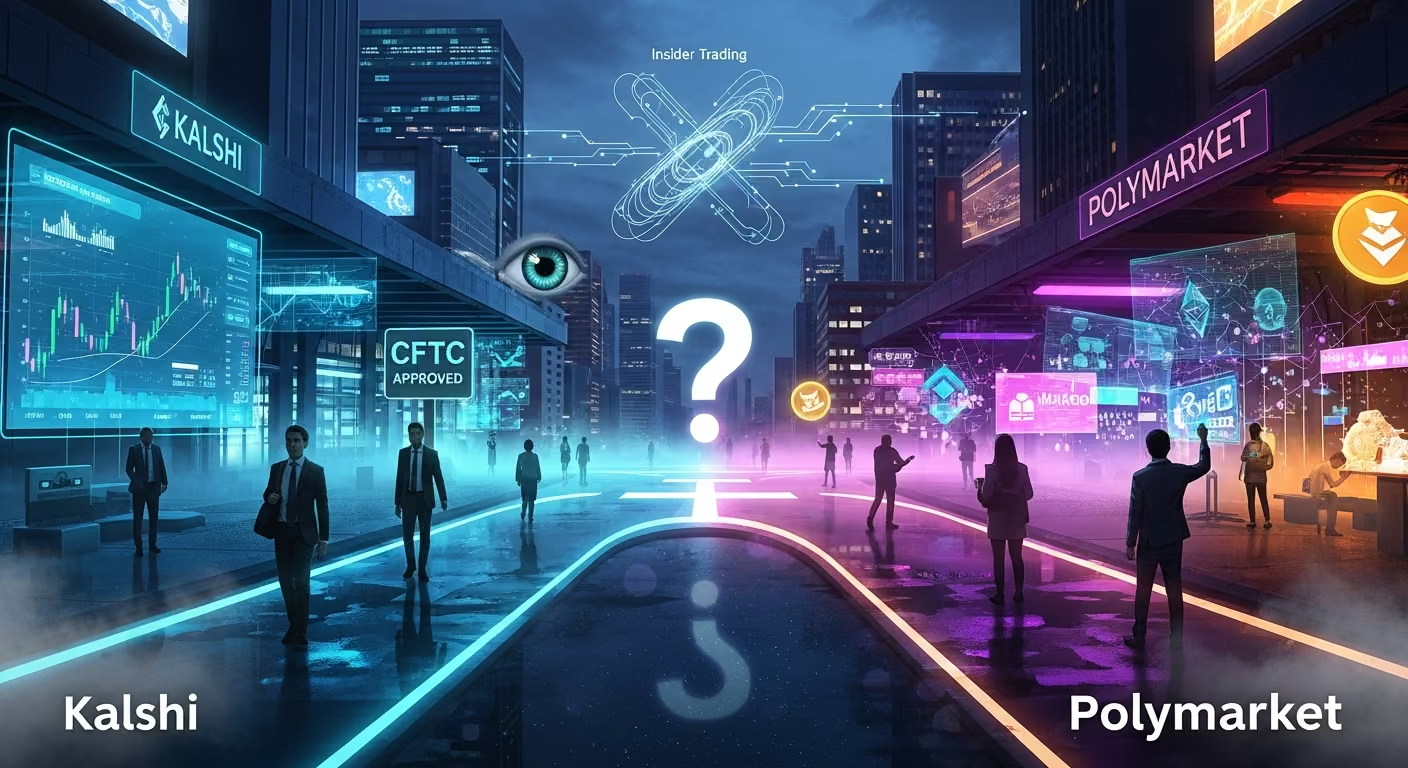
Prediction markets are getting a lot of attention right now, and two platforms are at the top of the list in very different ways. Tamer Elsayed and Tarek Mansour started Kalshi in 2020. It was the first prediction market in the US to get CFTC approval. Kalshi runs on the same financial rails as other sites. It offers binary options on everything from inflation numbers to election results, all under the watchful eye of regulators. That compliance-heavy approach gets them something very important: trust, especially from institutional types who won’t use platforms that aren’t regulated.
There is also Polymarket. Same year of founding, but very different ideas. It runs in the regulatory shadows and is built on blockchain. Users can bet on just about anything with cryptocurrency. It’s clear what the trade-off is: no CFTC oversight means more creativity in the market and instant settlement, but it also means that US traders can’t officially trade it because it’s in a grey area. Polymarket doesn’t have as much regulatory protection as other markets, but it makes up for it with a wide range of markets and a user-driven model that lets anyone start a market on the spot.
The Chase for Money
Both platforms just finished big fundraising rounds, and the numbers show you exactly where this industry is going. The most recent round of funding for Kalshi put the company’s value at $11 billion. This is an incredible number that shows real revenue growth and investor faith in the regulated model. That money is already set aside for improving infrastructure and getting new users. They think that following the rules will not only protect them, but also give them an edge over their competitors.
Polymarket, on the other hand, is worth about $9 billion and is carefully planning its next move. What’s the big deal here? They’re getting ready to release a version of their platform that follows US rules. That’s a change worth keeping an eye on, since the decentralised free-for-all can’t grow or become popular with the general public. Big investors are circling, sensing that Polymarket’s brand recognition and liquidity could lead to something much bigger if they can figure out the regulatory puzzle.
Related: The World Liberty Financial Token’s Close Signs: How They Predicted a Big Crypto Crash
The Problem of Insider Trading That No One Has Solved Yet
Here’s something that neither platform wants to talk about in public: prediction markets are always open to information asymmetry. And it’s not just that someone has a gut feeling. There have been enough strange betting patterns—big jumps before political announcements and bets that turned out to be very accurate—to get the attention of serious regulators.
The U.S. Commodity Futures Trading Commission is keeping a close eye on things. Lawmakers are beginning to ask tough questions about whether these markets are unintentionally making it easier to trade on private information. This is life or death for Kalshi; their whole business model depends on keeping regulators happy. It’s harder for Polymarket. Even though they don’t have to police insider trading like a regulated exchange does, being seen as a place where politically connected people can bet could hurt their efforts to be seen as legitimate.
In the next year, you can expect to see proposed laws that will make it clearer how prediction markets fit (or don’t fit) into current laws about securities and commodities. The platforms that handle this well will do well; those that resist it or ignore it will be pushed to the side.
Where This All Ends Up
In the future, the different paths of Kalshi and Polymarket will teach us something important about where prediction markets fit into the financial ecosystem. Kalshi’s regulated approach is slower and more limited, but it could last longer. They’re making something that can work with traditional futures exchanges. Polymarket’s decentralised model is faster and more creative, but it does have real jurisdictional risk.
The fact that they are raising money shows that investors are willing to bet on both outcomes. But the real test will come when the hammer of the law falls. Can Polymarket start a US branch that follows the rules without losing its decentralised nature? Can Kalshi keep growing while the CFTC watches over it and it has to compete with offshore companies that don’t have to follow the same rules?
In my opinion, we’re moving toward a two-tier system. Regulated platforms will attract institutional investors and regular users who want to be sure they are following the law. Decentralised platforms will keep coming up with new ideas on the edges, trying out new market structures and putting pressure on the big players. Both have a part to play, but the next 18 months will show which platforms found the right balance and which ones weren’t ready.