
What Bitcoin Halving Is All About
Bitcoin halving is one of those things that sounds complicated but is really pretty simple. Every four years, or every 210,000 blocks, the reward miners get for adding new blocks to the blockchain is cut in half. It’s built into Bitcoin’s code, and it’s what makes its whole supply model work.
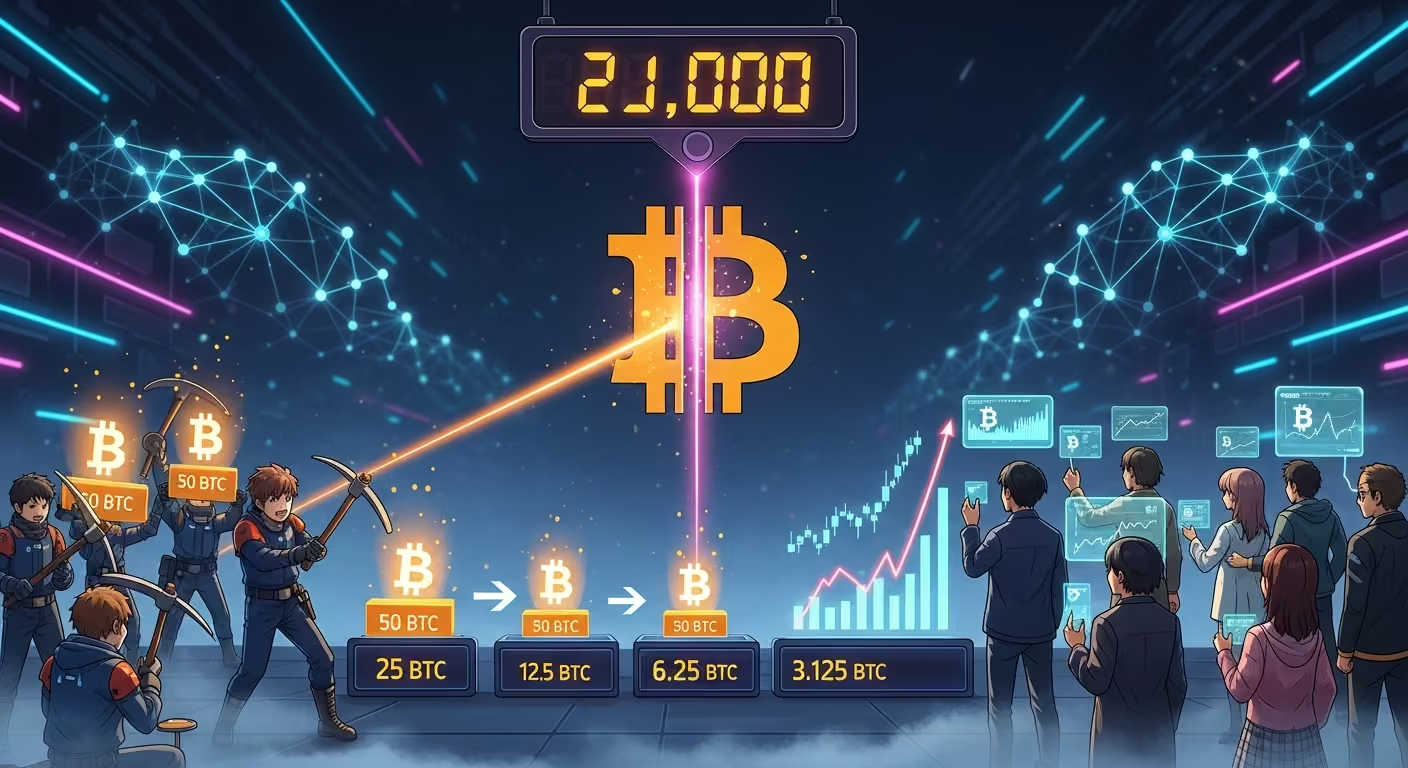
What is its purpose? Because Bitcoin was meant to be rare. There will only ever be 21 million coins, and the halving process makes sure that this limit is kept. Miners got 50 BTC for each block when Bitcoin first came out. It went down to 25, then 12.5, and after the May 2020 halving, it reached 6.25. The next one in 2024 will bring it down to 3.125. The rate at which new Bitcoin enters circulation slows down over time until no new coins are made at all.
This isn’t just a technical problem. It’s the basis of Bitcoin’s monetary policy: it’s predictable, clear, and can’t be messed with like traditional currencies can.
What Has Happened So Far
We’ve had three halvings so far, and each one has had an effect.
The first one took place in November 2012. Bitcoin was still a niche interest back then. The reward went down from 50 BTC to 25 BTC, and the price went up from about $12 to over $1,100 in the next year. It was the first real sign that this system might actually work.
Then July 2016 came. The prize went down to 12.5 BTC. By then, Bitcoin had gotten a lot more attention. In the months that followed, the price went up from about $450 to almost $20,000 by the end of 2017. For the first time, that rally made cryptocurrency a topic of conversation in the mainstream.
The last halving happened in May 2020. Prize: 6.25 BTC. At the start of the year, Bitcoin was worth about $7,000. By April 2021, it had gone up to more than $60,000. Money from institutions began to come in. The story changed from “internet money” to “digital gold.”
Anyone in this field knows that past performance doesn’t guarantee future results. But the pattern is hard to miss. The market pays attention to these events because each halving has come before a big price move.
Related: Market Moves: Kiyosaki’s Bitcoin Sale and Pump.fun’s Colossal Cash-Out
What It Does to Supply and Demand
In simple terms, halving stops new Bitcoin from coming into the market. If demand stays the same or goes up, basic economics says that prices should go up over time. That’s what a lot of long-term holders are betting on.
But in real life, it’s not quite that neat. Speculation usually gets hotter before a halving. Traders set their positions based on what they think will happen, and that can make the market move in both directions. What happens next is usually a longer-term trend as the lower supply moves through the system.
It’s also important to remember that this dynamic doesn’t happen in a vacuum. The price of Bitcoin is affected by big-picture factors like the economy, changes in regulations, and how people feel about the market as a whole. Halving is a big factor, but it’s not the only one.
Still, for investors who see Bitcoin as a way to protect themselves against inflation and the loss of value in money, halving strengthens the argument. It’s a built-in reminder that this asset works differently.
What’s Next
The next halving will happen in 2024, and the reward will go down to 3.125 BTC. That means that every day, the number of new Bitcoins made will drop from about 900 to 450. That supply squeeze could have real effects in a world where demand from institutions, ETFs, and regular people keeps going up.
But there’s a bigger question to ask: what happens when block rewards get so low that they don’t pay for miners’ costs anymore? In the end, the network will have to use transaction fees to keep miners interested. That means that Bitcoin will have to handle enough transactions and charge enough fees to keep security up.
It’s not something to worry about right now. That won’t be a real problem for decades, most likely. But anyone who is seriously thinking about Bitcoin’s long-term future should be aware of this.
For now, halving events are still important for the market. They remind people of what sets Bitcoin apart. They make miners come up with new ideas. And they give investors a reason to keep an eye on things. Whether you like it or not, the mechanism works exactly as it should and that’s all you need to know.


One thought on “What Bitcoin Halving Is and Why It Matters”