A Look at Circle’s Arc Network
Circle’s Arc Network is a new blockchain project that wants to change how the digital economy works. The Arc Network’s main goal is to give developers and businesses a reliable and scalable platform for making decentralised applications (dApps). The Arc Network’s main goal is to make the Internet’s economic operating system easy and safe for people to use when they buy and sell things and talk to each other. Banks and fintech companies all over the world are very interested in this new idea. It could change the future of digital finance.
The public testnet of Circle’s Arc Network is a big step forward in its development because it lets people try out and improve its many features. Developers can test the network’s features, see what it can do, and see how well it works with other blockchain ecosystems during this test phase. This iterative approach is very important for improving the network so that it meets the needs of users while still being safe and able to grow.
The Arc Network also gives stablecoin ecosystems unique chances to grow. It gives stablecoins a decentralised and open structure that helps them work better with a variety of financial services. The project is meant to attract a wide range of people, including developers, banks, and regular people. They will all benefit from the new features that the Arc Network offers.
Circle’s Arc Network is a big step towards changing the digital economy because it gives the growing stablecoin sector the tools and infrastructure it needs to grow. Its public testnet is a starting point for future improvements and shows that more and more global financial companies are interested in how decentralised finance is changing.
Starting with KRW1 and Working with BDACS
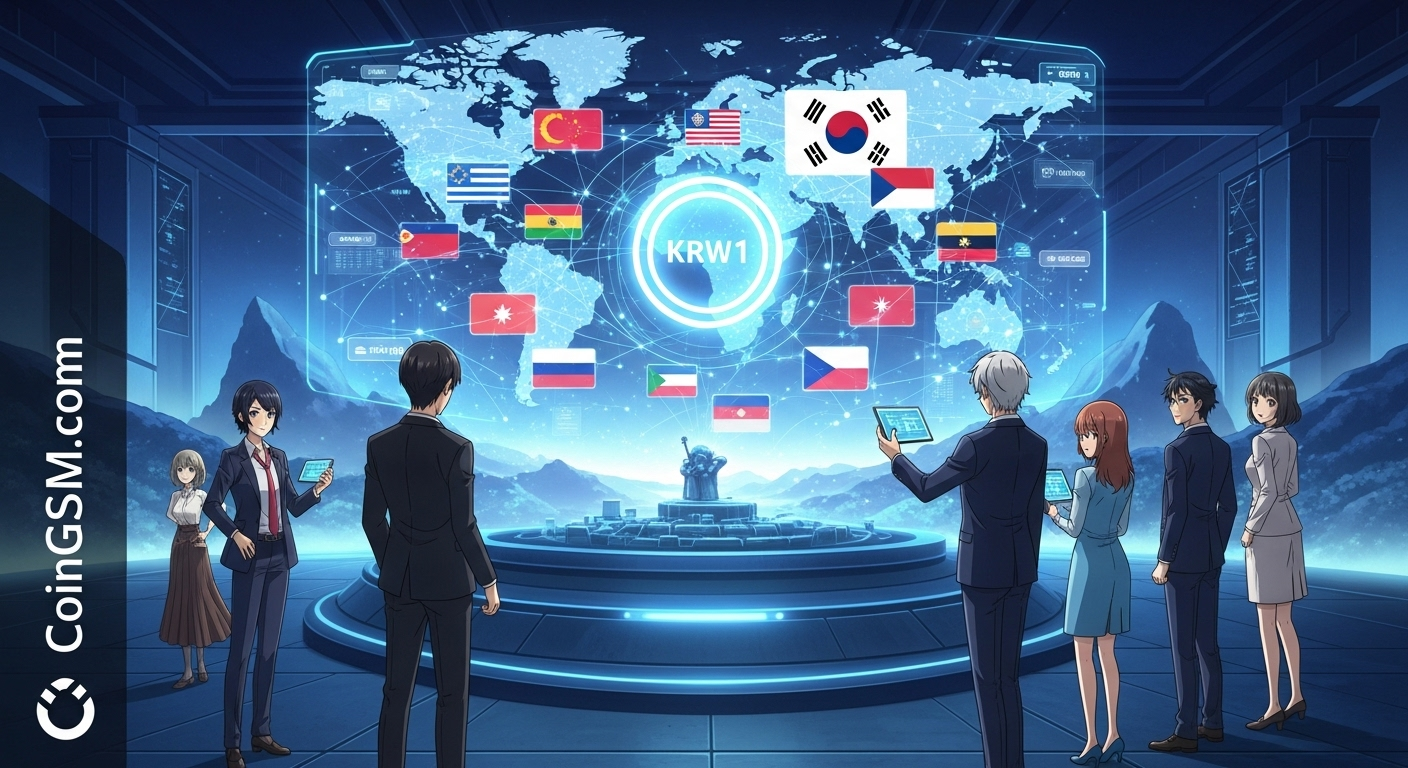
The partnership between Circle’s Arc Network and South Korea’s bdacs is a big step forward for the use and growth of stablecoins in Korea. Both sides have signed a memorandum of understanding (MoU) as part of this partnership. This makes it clear that they will launch KRW1, a stablecoin backed by the South Korean won. This project should help businesses in the area connect more with the global stablecoin network.
This partnership will have a big impact because KRW1 will probably become a key tool for Korean businesses that want to do business in other countries. KRW1 is a stablecoin that is backed by the won. This makes it a better way to do business than regular cryptocurrencies. This is very important for Korean businesses that need to be sure that changes in the market won’t affect their business across borders. KRW1 can help businesses in South Korea by making it easier for them to get good digital assets. This can make things more liquid and ease worries about foreign exchange.
The trademark registration process that Circle and bdacs are both going through is very important for the project’s growth. Getting the right trademarks will help the KRW1 brand stay safe and get into the market. This step is very important for getting people to trust and recognise the stablecoin, which will make it possible for it to be released in a legal and regulated way. As the rules for digital assets change, having a registered trademark can make a big difference in how much trust people have in your business, from investors to government agencies.
KRW1 is more than just a new technology in the fast-changing world of digital currencies; it’s also a way to get South Korean businesses involved in a growing ecosystem. The introduction of this project makes it more likely that countries will work together better and trade values more easily across borders. This sets a good example for future projects.
What Companies Think About the Launch of Stablecoins
As stablecoins become more popular around the world, more and more people in the industry are talking about the pros and cons of these coins. Sangmin Seo, a well-known person at the KAIA DLT Foundation, has said that he is cautiously hopeful about the Bank of Korea’s plan to make a stablecoin backed by the won with the help of banks. Seo said that this project could be very helpful, like making digital money transactions more stable and clear. The goal of the project is to link traditional fiat currencies with the growing world of cryptocurrencies by tying the stablecoin to the South Korean won.
But this method also raises some important questions. One of the biggest risks that professionals in the field see is that people might depend too much on traditional banks for new ideas for digital assets. Seo wants the rules to be clearer and cover more kinds of issuing authorities. He says that the growth of stablecoins may not only depend on commercial banks, but also on decentralised finance (DeFi) platforms and fintech companies. This bigger view could make things more competitive, which would lead to more new ideas and more stablecoin choices.
People often talk about the need for clear rules in the regulatory landscape. Experts say that stablecoin projects might have a hard time getting people to trust them and the market to use them if there aren’t clear rules. Also, the fact that there are no protections for consumers could put users at risk of fraud and price swings, which would defeat the purpose of the stablecoin system. So, people in the industry talk a lot about how important it is for regulators and innovators to work together to make a framework that makes it safe and useful to use stablecoins.
As South Korea thinks about the future of its stablecoin plan, the ideas of Seo and other experts show how hard it is to find a balance between new ideas and rules. This changing conversation will likely change the rules for stablecoins not just in South Korea but also around the world.
What Comes Next: The Role of National Tokens in a Global Ecosystem
The launch of South Korea’s KRW1 as part of Circle’s Arc Network’s public testnet is a big step forward for national tokens and their use in a global digital economy. Stablecoins backed by governments, like the KRW1, could help link local financial systems with global markets as they become more popular. As the rules get more complicated and cryptocurrencies have trouble working together around the world, stablecoins like these become more and more important.
Also, these national tokens will only be useful if they can easily fit into current financial systems while still following the rules. For instance, the KRW1 could make it easier for businesses to work across borders. This would increase liquidity and make trade more efficient. People may also be more likely to trust digital currencies if they are backed by the government, which could lead to more people using them in stores and businesses.
As different parts of the world work on their own digital currency projects, the demand for stablecoins backed by governments is likely to rise. It can’t be stressed enough how national tokens could make it easier to move money from one market to another, both at home and abroad. This connection could help the global financial system work better together, which would make it easier and cheaper for businesses in different countries to work together. So, the rise of national tokens could also help keep the economy strong by giving governments more tools to use when things go wrong.
The growth and use of national tokens is likely to continue in the future, thanks to the work of regulators, technologists, and banks. For digital currencies and traditional money systems to work together in a new world, this synergy is needed. In the future, this will make the economy more connected and work better.