Edel’s market cap drop and the current state of the market
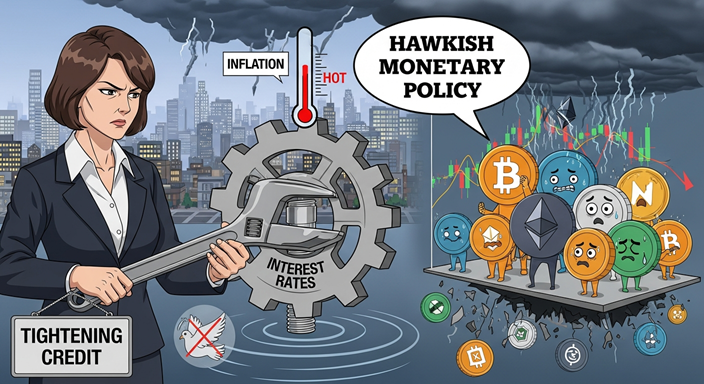
The cryptocurrency market has seen a big drop in the last few days, especially in terms of Edel’s market capitalization. Edel’s market cap is now about $14.9 million, which is a shocking drop of about 62% in just the last week. This big drop shows how unstable the decentralized finance (DeFi) market can be, especially since new projects come out so quickly that they can cause quick and sometimes severe market reactions.
Many people in the DeFi community were looking forward to the launch of Edel’s tokens, but how well they have done since then has made people wonder about investor confidence and market stability. There are a number of reasons for the sharp drop in market cap, such as increased speculation and the normal ups and downs that come with launching a new token. Also, the immediate reactions from investors seem to reflect a larger mood in the DeFi space. Investors are becoming more careful, which shows that they are wary of projects that promise to combine traditional financial assets with blockchain technology. This caution is made worse by the fact that the current regulatory environment has made it harder to look at tokenized real-world assets.
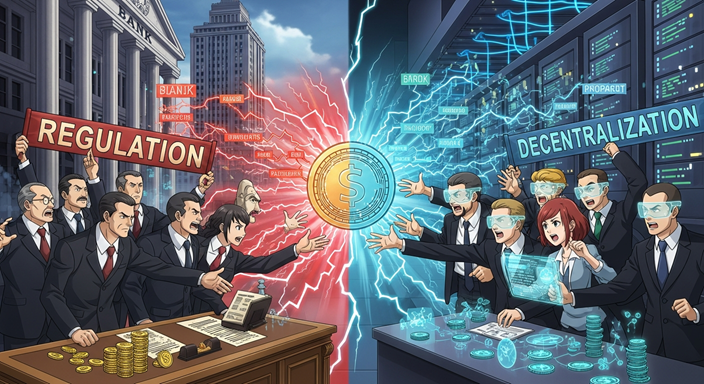
Also, the cryptocurrency market is very speculative, so investor mood can change quickly, sometimes for no clear reason. Along with the regulatory pressures that have been seen, which could change the way many DeFi projects work, Edel’s market cap drops could be a sign for other new projects. As a result, investors are very sensitive to new token offerings like Edel’s because they want security and stability. This is because the overall market is very important to their decisions.
The interaction between market sentiment, regulatory scrutiny, and the response to token launches is key to understanding not only Edel’s situation but also the future of all DeFi projects.
Tokenized real-world assets in DeFi: problems and chances
Decentralized finance (DeFi) is changing quickly, and this has created a lot of new opportunities, especially for tokenized real-world assets (RWAs). This new intersection has some great benefits, like making traditional assets easier to buy and sell, but it also has some big problems that need to be fixed. Edel’s business model is a great example of how to deal with both of these issues. By making it easier to get yields by lending and renting out tokenized stocks, Edel shows how RWAs could be used in a DeFi setting.
One chance for tokenized RWAs is that more and more institutions are interested in digital assets. As rules about cryptocurrencies change, more and more traditional banks and other financial institutions are looking for ways to work with DeFi solutions. This interest gives projects like Edel a way to reach a larger market, which will lead to more people using the product and more trust among investors. Blockchain technology’s built-in transparency is an appealing feature for organizations that put a lot of value on compliance and risk management.
But the unpredictable reaction to Edel’s token launch shows that there are many problems in the DeFi sector, especially when it comes to fairness, transparency, and governance. If not handled correctly, initial token distributions can cause imbalances, which can make people worry about fair participation. Governance issues are also very important because participants need to make sure that the processes for making decisions are open and include everyone who has a stake in the outcome. For tokenized RWAs to be successful in the long run, people will need to trust them. This will require strong frameworks that put a premium on clear communication and community involvement.
In conclusion, the DeFi space has both problems and chances for tokenized RWAs. Projects like Edel are leading the way in finding their way through this complicated area. They can use the growing interest in RWAs to build a more fair and long-lasting financial system by putting transparency and inclusive governance first.
Looking at questions about token distribution and governance
People are questioning Edel’s token distribution strategy, especially after Bubblemaps’ findings about wallet funding and distribution practices. One of the most important things to note is the rise of what has been called a “layer of fresh wallets,” which were apparently used to snipe tokens during the first launch. This strategy may help with liquidity, but it raises big concerns about market manipulation and what it means for investors’ trust in the Edel project.
Using newly created wallets for sniping can be seen as a way to artificially raise interest and trading volume, which could be misleading for both investors and the market as a whole. These kinds of things could make it so that speculative trading is more important than real investment and the long-term success of a project. As the token market changes, it becomes more and more important for the distribution process to be clear. People who use the project and those who have a stake in it may start to doubt the project’s governance, which means that a full review of how tokens are distributed and the effects this has on community trust and engagement is needed.
Edel has agreed with the worries that analysts and the community have raised in response to these claims. The project has stressed how important it is to create a strong governance framework to deal with problems related to market manipulation. This framework is important not only for giving investors peace of mind, but also for making sure that everyone’s interests are aligned. Edel can start to win back the trust of its investors by promising to be open about how it distributes its money and taking steps to stop new wallets from giving people unfair advantages.
The ongoing debate about token distribution and governance issues will have a big impact on Edel’s reputation and place in the market. To make the ecosystem last and be trustworthy, the project needs to carefully work through these issues.
What We’ve Learned: Trust, Openness, and Future Token Launches
In the changing world of cryptocurrency, trust and transparency have often been problems with token launches. Many projects have run into problems that were caused by not being able to communicate clearly with their stakeholders. The 2016 DAO hack is a well-known example of how flaws in governance systems can damage a project’s long-term viability and trust in the community. The aftermath was a very important reminder that any project that wants to stay credible in the crypto community must be open and honest.
When we think about these events, it’s clear that a successful token launch needs strong governance strategies and a full understanding of tokenomics. Edel and other projects like it must learn from the past. They need to make sure that their token distributions are not only quick but also come with a clear plan for how the tokens will be used and governed. This is about how important it is for teams to share their vision, make clear use cases for their tokens, and stay in touch with their community during the launch process.
Also, good ways to communicate can have a big effect on how confident and involved participants feel. People who have a stake in a project are more likely to put money into it if there is open communication and people are held accountable for their actions. Regular updates, clear roadmaps, and easy-to-understand governance models help people feel like they belong and trust each other. Projects can build long-lasting ecosystems that support growth and collaboration by putting long-term engagement ahead of short-term gains.
In conclusion, the most important thing to remember from past token launches is that trust and openness are very important. For new projects like Edel, creating an atmosphere of trust can lower the risks that come with launching tokens and set the stage for future success. By following these rules, they can improve their relationships with stakeholders and build trust in the cryptocurrency market that will last.