
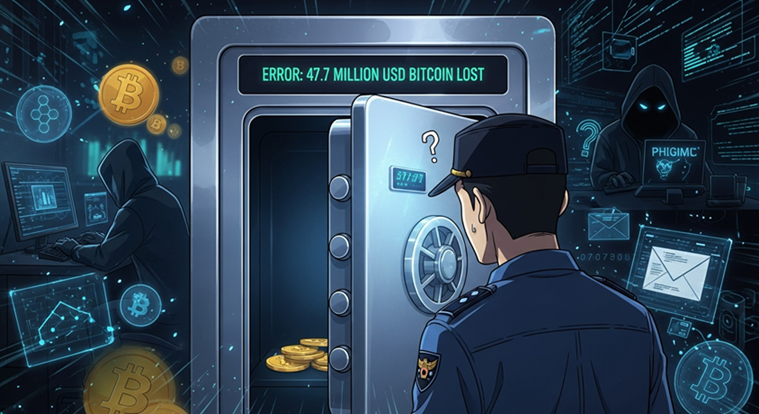
A strange thing has shaken up both the cryptocurrency community and law enforcement:
South Korean police seem to have lost about $47.7 million worth of Bitcoin that they had taken. During a normal intake review, something happened that raised concerns about how digital assets are kept safe, especially when they are being held for criminal investigations.
This is important for more than just one missing amount. As digital currencies become more common in crime, finance, and everyday life, how governments and agencies handle seized crypto becomes a test of trust and effectiveness. The episode shows how quickly cyber threats change and how hard it is to keep track of your money. It also shows how important it is to have strong security.
Now, the most important questions are about accountability and process. More and more, lawmakers, regulators, and investigators are being asked to make clear and strong rules for how to deal with digital assets that are connected to crimes. When assets are part of an investigation, everyone involved wants to be able to keep track of them, keep them safe, and eventually get rid of them in a way that doesn’t put future cases at risk of being mishandled or having accidents.
What We Know About the Event
The Gwangju District Prosecutors’ Office is in charge of the investigation, which is a big part of Korea’s search for answers. Early reports say that the problems began when a worker at a major exchange allegedly leaked a password. This looks like it has something to do with a phishing scheme that was meant to steal personal information. We are very worried about the security measures that protect both exchange platforms and the internal controls of those companies if the breach lets anyone in without permission.
After the fact, security audits showed that the company’s rules for who could access systems weren’t very good. These results show that transactions may have gone through because access rights were wrong and verification methods were not strong enough, which led to the loss of seized Bitcoin. Prosecutors are making a schedule to find out exactly what happened and where the safety measures failed.
What This Means for the Safety of Crypto Custody
People are even more worried about how police handle and keep digital assets they take in criminal cases since the disappearance. As more people use cryptocurrencies, it becomes clear how important it is to have strong custody arrangements and careful, verifiable procedures. The event is also part of a bigger trend: phishing and other social engineering methods are still a big threat to both people and businesses, especially agencies that aren’t as familiar with how to keep digital assets safe.
This event has sparked discussions about the best ways to protect seized cryptocurrencies. They need to be stored correctly, have strict access controls, and be watched all the time to keep things safe from theft or bad management. The program also makes you think about how other places handle similar issues. The US and Europe have looked into different ways to handle custody and different rules, but they haven’t found one that works for everyone.
What South Korea Might Do Next
Experts say that South Korea could do a number of things to make its cryptocurrency rules more trustworthy and strong. One thing to think about is creating a separate team to deal with confiscated digital assets in a consistent way. This type of organization would be open, work with banks and exchanges, and keep track of assets correctly from the time they are taken until they are sold.
You could also buy technology that lets you securely store and keep an eye on transactions in real time. These steps would help make sure that seized crypto stays under verifiable control and that all transfers are legal and can be checked. If officials knew more about crypto security and worked together with other countries, people might be less likely to fall for scams and cyber threats.
The main point is clear: the rules that go along with crypto must change as the world of crypto changes. By learning from this event and using best practices from other areas, South Korea can improve its oversight, protect public trust, and help real investigations.
A Global Perspective and the Path Ahead
This case has effects that go beyond Korea. It shows how important it is to have clear and consistent rules about how to store and take care of digital assets that are connected to police work. By sharing information freely and working together on international projects, the world can become safer, more accountable, and more open.
In the short term, avoiding similar losses will depend on how well you handle problems like oversight, access control, and safe storage. The event could cause changes in South Korea that make seized property safer and the investigation process more reliable. It’s a reminder for the whole crypto ecosystem that keeping digital wealth safe—whether it’s stolen, sold, or owned by individuals—requires constant attention, changing protections, and a commitment to good governance.
To sum up, the missing Bitcoin from seized assets is more than just a strange financial situation; it shows that authorities need to rethink how they keep digital wealth safe as crypto becomes more and more connected to crime, the law, and everyday life. In the next few months, we’ll see what South Korea and other countries that are paying close attention do about this problem and if they make new rules to stop it from happening again.