

Morgan Stanley Enters Crypto With Institutional-Grade Custody
Morgan Stanley is getting into crypto, and it’s bringing some big-name partners with it. The company is sending a clear message by using BNY Mellon and Coinbase as custodians for its Bitcoin ETF: this is not just a hedge fund play anymore. This is just plain institutional legitimacy.
For anyone who has been following the space closely, the custody part is where things get real. Bitcoin ETFs don’t just hold Bitcoin; they also have to keep it safe. That’s a whole different thing than regular assets. When you work with digital bearer instruments, it doesn’t take long for the line between custody and operational survival to get blurry. BNY Mellon has decades of experience with trust companies and the rules that govern them. Coinbase has the tech stack that is native to crypto. They work together to create a hybrid model that is quickly becoming the best. It includes cold storage for most assets, hot wallets for liquidity, and layered oversight to make sure that both investors and regulators are happy. It doesn’t look fancy, but it’s exactly what you need if you have billions of digital assets to manage. The cold storage part is important because it completely takes those assets offline, making them air-gapped from any possible attack surface. The hot wallets, on the other hand, take care of the daily creation and redemption activity that keeps the ETF trading in line with NAV. It’s hard to find the right balance, but these two companies have skills that work well together.
Expanding Beyond Bitcoin: Ethereum and Solana ETF Plans
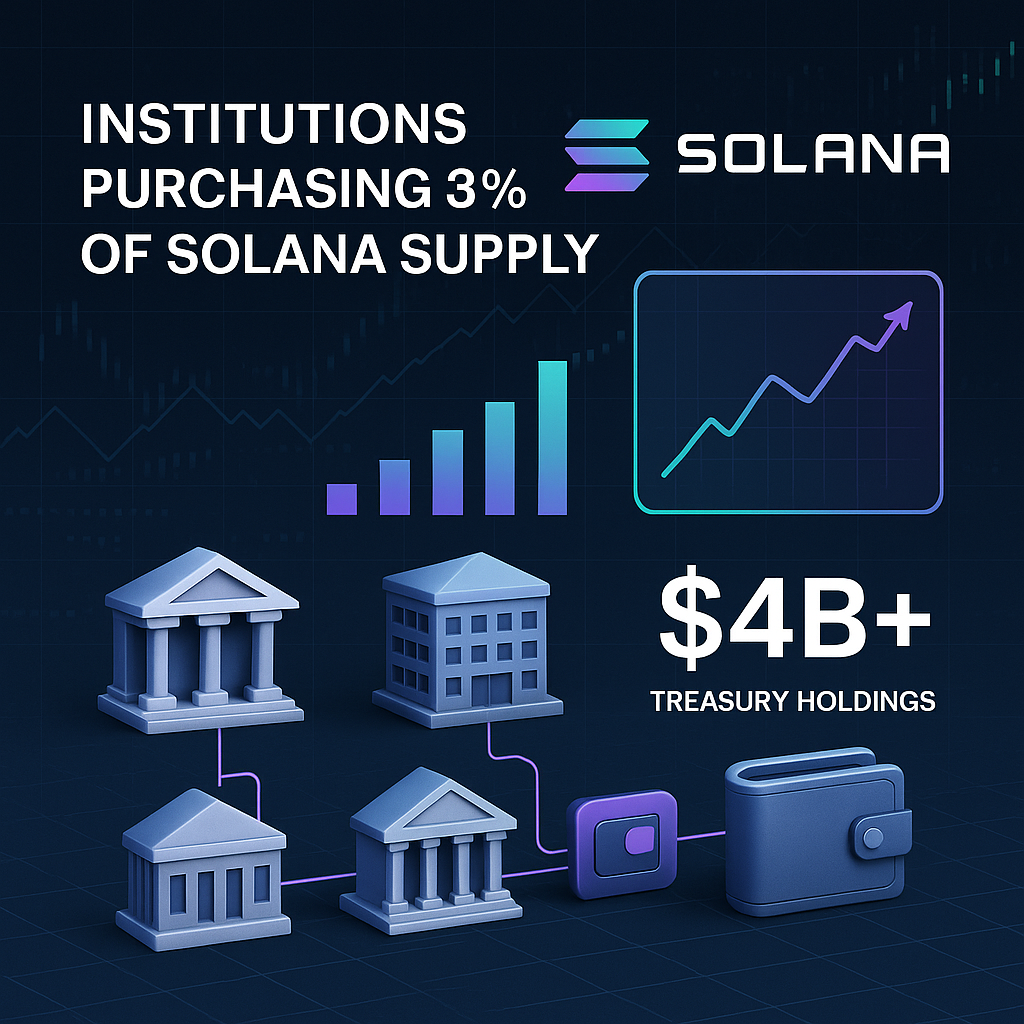
But what this means for Morgan Stanley’s overall strategy is even more interesting. The company has asked the SEC for permission to create ETFs that track not only Bitcoin but also Ethereum and Solana. That’s not just dipping your toe in the water; that’s a planned portfolio strategy. They’re getting ready to give clients access to a wide range of cryptocurrencies, not just the main one. And with the recent rise in institutional inflows BlackRock’s numbers alone tell that story—it’s clear that there is a real demand. Institutions want access, but they want it to be wrapped in something they know: something that is regulated, audited, and backed by names they already trust. That is the most important point here. Compliance teams still have a lot of work to do when it comes to direct crypto ownership, from managing wallets to filing taxes. That problem is solved by an ETF structure. It fits well with current investment rules and settles through normal channels. Morgan Stanley is basically saying, “We think our institutional clients will want a variety of cryptocurrencies, and we plan to be the ones to give it to them,” when they file for a Solana ETF.
Regulatory Complexity and Custody Challenges
That said, this isn’t easy. Regulatory clarity is still hard to pin down. Rules about custody, taxes, and even how to group some tokens are still up in the air. For example, Solana brings up different issues than Bitcoin. The SEC has made it clearer that Bitcoin is not a security. Solana’s position is more in question, which makes it more risky for any issuer to follow the rules. Morgan Stanley will need to be careful, especially since it is getting into assets that have different technical and legal issues than Bitcoin. The custody infrastructure for proof-of-stake networks is also more complicated because staking rewards, slashing risks, and the operational needs of delegation all add new factors that traditional custodians aren’t used to dealing with.
Related: Solana’s founder distributes perpetual DEX code, sparking a major DeFi controversy.
Tokenized Assets and the Future of On-Chain Finance
Still, CEO Ted Pick has made it clear that the company sees more than just price exposure as a chance. Tokenised assets, which are real-world assets that are represented on-chain, are very much on the radar. That’s when things start to get really interesting. Morgan Stanley is not just getting into the crypto world if they can connect traditional capital markets with blockchain technology. They’re helping everyone else get on the road. Consider what that means: money market funds as tokens, private credit moving on-chain, and even regular stocks and bonds settling around the clock. That’s not just a guess anymore; it’s really happening. Companies like BlackRock and Franklin Templeton are already going in this direction. Morgan Stanley’s willingness to work with the underlying infrastructure shows that they see the same chance.
Related: Tokenisation: Galaxy Exec Says It’s Not Tied to Bitcoin Anymore
The Bigger Picture: Crypto and Traditional Finance Converge
So, yes, this is a big deal. But more than that, it’s a sign of where things are going: more integration, smarter infrastructure, and the line between “crypto” and “finance” is slowly but surely becoming less clear. The main point of this article isn’t about Bitcoin. It’s about realising that digital asset infrastructure is becoming a standard way for finance to work. Morgan Stanley is getting ready to be a part of that change, not just watch it happen. And with partners like BNY Mellon and Coinbase taking care of the hard work of custody, they have a base that can grow.


One thought on “Morgan Stanley Expands Into Crypto With Bitcoin, Ethereum and Solana ETF Plans”