
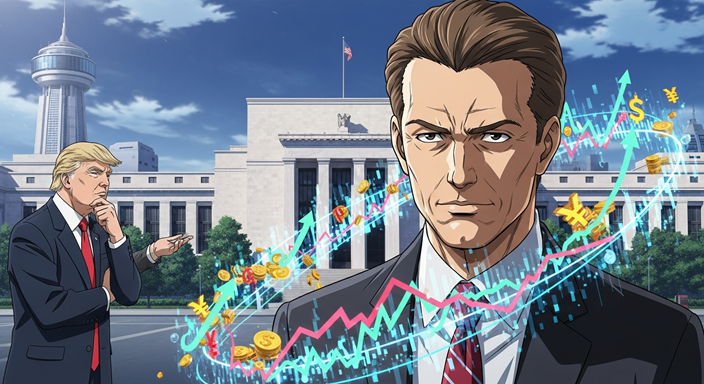
Who Is Kevin Warsh?
Kevin Warsh is a well-known name in the fields of economics and finance. He is known for his important work on monetary policy and his views on the Federal Reserve. He has a strong academic background, having studied at Stanford University and Harvard Law School, where he learned a lot about economic theory and regulatory frameworks.
Warsh was a Governor at the Federal Reserve from 2006 to 2011, during which time the financial crisis forced the Fed to use unusual monetary policy measures. He learned a lot about the problems and chances the Fed faces while he was there, and he pushed for a balanced approach to inflation and interest rates. His time at the Federal Reserve has had a lasting effect on his economic beliefs, stressing how important it is for the central bank to be open and accountable.
Warsh has a lot of experience in both the public and private sectors in addition to his job at the Fed. After serving as Governor, he took on an important role at the Hoover Institution, where he has helped to start conversations about economic policy and financial markets. His writing shows that he is very interested in important issues like how well quantitative easing works and what the long-term effects of monetary policy actions will be.
Warsh has been asked many times to share his thoughts with different media outlets and at economic forums, where he talks about what he thinks the Federal Reserve’s role will be in the future as the economy changes. Warsh is known for being very analytical, and he continues to have an impact on the debate over monetary policy by pushing for strategies that are good for the long-term health of the U.S. economy.
Donald Trump’s Choice for Fed Chair
President Donald Trump picked Kevin Warsh to be the Federal Reserve Chair in 2017. This was a big change in the country’s monetary policy. Warsh, who used to be on the Federal Reserve Board of Governors, became a controversial candidate because he didn’t agree with the way interest rates were set. Most people thought that this nomination was Trump’s way of changing the leadership of the Fed to better fit the economic goals of his administration.
Trump chose Warsh because he wanted a more hawkish monetary policy, one that would put controlling inflation ahead of other economic indicators. Economists thought that Trump wanted a Fed Chair who would be more open to his tax cuts and deregulation policies. There was a perceived rift between Trump and then-Fed Chair Janet Yellen, whose policies were not in line with the president’s vision. This was part of the political dynamics at the time.
Many people paid close attention to the timeline for the nomination process. After the nomination was made public, Warsh came under fire from both sides of the political spectrum. Some economists backed his candidacy because they thought he understood the financial markets and was committed to being open. But there were also big worries about his experience and the fact that he had previously criticized the Fed’s approach to getting the economy back on track.
The financial markets reacted with a mix of hope and fear, showing that they weren’t sure what would happen to monetary policy if Warsh became the leader. In the end, the nomination process showed how complicated it is to make appointments to the Federal Reserve in a time when politics are more divided and economic ideas are at odds. Several endorsements and challenges came up, showing how controversial this important nomination is.
Possible Effects on the Economy of Warsh’s Appointment
Kevin Warsh is likely to be named Chair of the Federal Reserve, which could have a big impact on U.S. monetary policy, especially when it comes to managing inflation and interest rates. People know Warsh for pushing for a more aggressive approach to changing interest rates. His leadership could have a big effect on the economy by possibly changing the Federal Reserve’s current course. This could have immediate effects on borrowing costs and investment strategies.
Experts say that Warsh’s past positions show that he would rather raise interest rates to keep inflation in check, which could lead to tighter monetary policy. Changes like these could have an impact on how much people spend and how much businesses invest. Raising interest rates can help keep inflation in check, but they can also slow down economic growth. So, to keep the market stable, it’s important to find the right balance between these results.
Also, focusing on controlling inflation could have negative effects on job growth and the overall employment rate. If the Fed raises interest rates under Warsh, it might stop banks from lending money to people who want to buy things, which could slow down job growth. On the other hand, if inflation is kept in check, the U.S. dollar could get stronger and consumers could have more buying power.
His possible nomination could have effects on international relations, especially when it comes to trade and foreign investments. The U.S. dollar might be strong because of tight monetary policy, which could make U.S. exports more expensive and hurt relationships with trading partners. So, Warsh would have to take into account both the state of the U.S. economy and the state of global trade relations when making decisions for the Federal Reserve.
In general, Warsh’s leadership could change not only U.S. monetary policy but also how countries interact with each other economically. This is an important issue for both policymakers and economists.
Conclusion and What to Expect in the Future
Donald Trump’s choice of Kevin Warsh as the Federal Reserve Chair is a big deal for U.S. economic policy, especially since the economy is still uncertain. Warsh could bring about a new era of monetary policy that puts accountability and responding to changing economic conditions first. He is a strong supporter of transparency and has been critical of past Federal Reserve policies. To fully understand what his nomination means, we need to think about how it will affect the economy in both the short and long term.
It is impressive that Warsh might be able to handle the complexities of the current economy. His focus on clear communication within the Federal Reserve could help people understand how monetary policy decisions are made, which would make investors and consumers feel more confident. The global economy is also facing problems like rising prices and supply chain disruptions. Warsh’s approach may help to stabilize things. If he pushes for more cautious changes to interest rates, this could help the economy recover more slowly.
Warsh’s strategies could show how the Federal Reserve plans to deal with possible recessionary situations in the future. His ability to look at how fiscal and monetary policies work together could help people focus on reducing systemic financial risks while also encouraging growth. This leadership will be very important for both the economy at home and the economy around the world.
In the end, Warsh’s leadership could have effects that go far beyond the stock market and consumer sentiment. It could change how countries trade with each other and how their economies interact. Readers should keep an eye on how these events play out and think about how this important nomination will affect economic policy and performance in the long run.
One thought on “Looking into Kevin Warsh: Donald Trump’s Choice for Fed Chair and What It Means for the Economy”