
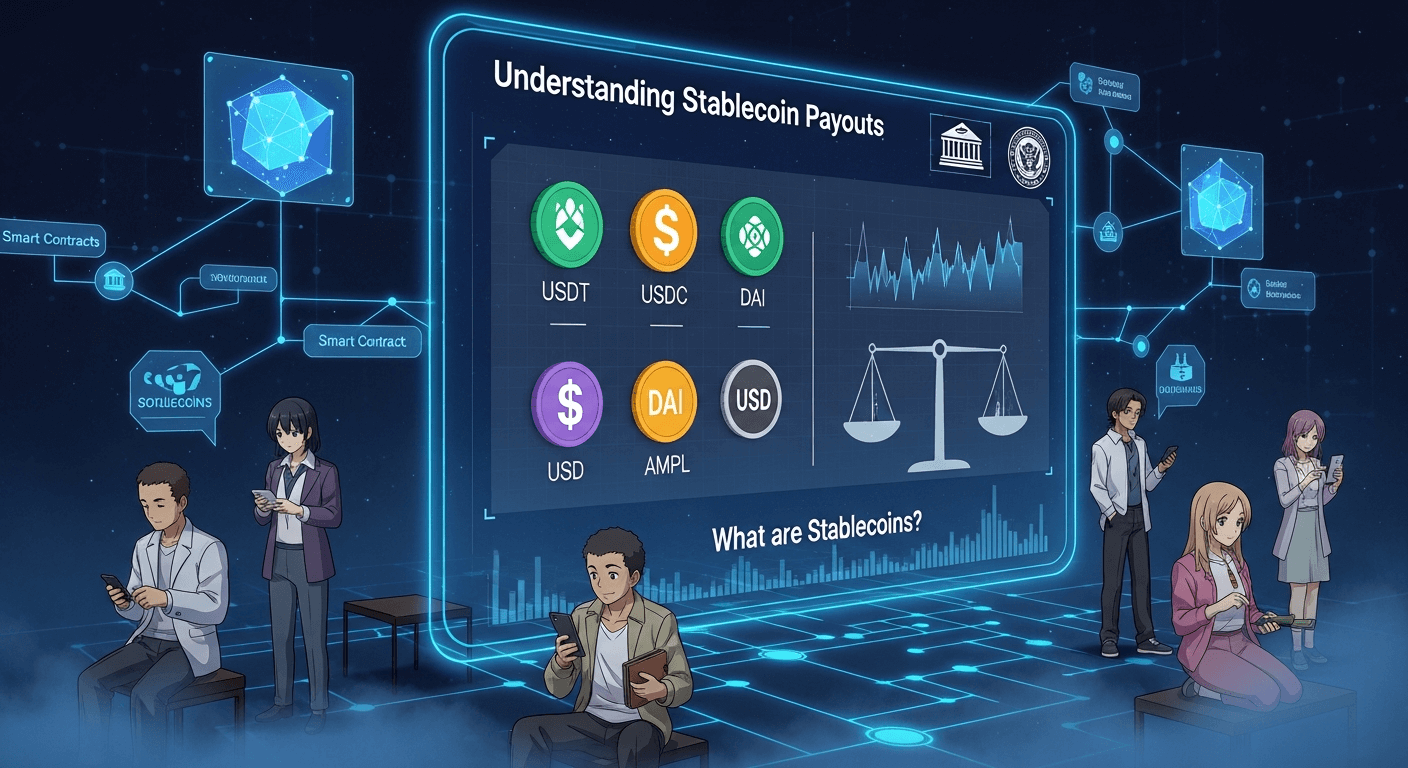
What are Stablecoins?
Stablecoins are a unique category of cryptocurrencies designed to maintain a stable value, bridging the gap between traditional fiat currencies and digital assets. Their core purpose is to reduce the extreme volatility associated with other cryptocurrencies, making them a reliable medium of exchange. This function is particularly important in today’s crypto market, where price fluctuations can significantly affect transaction efficiency and user experience.
There are three primary types of stablecoins, each employing different mechanisms to achieve price stability. The first type is fiat-collateralized stablecoins, which are backed by reserves of fiat currency, such as the US Dollar. Examples include Tether (USDT) and USD Coin (USDC). These stablecoins offer a one-to-one peg with the fiat they represent, making them relatively steady in value. The second category includes crypto-collateralized stablecoins, which are supported by a reserve of other cryptocurrencies. These can be more volatile but utilize over-collateralization to maintain stability. A well-known representative of this type is DAI, which is pegged to the US Dollar yet backed by various digital assets.
Lastly, algorithmic stablecoins operate without collateral but utilize algorithms and smart contracts to control supply and demand dynamically. By adjusting the supply based on market conditions, these stablecoins aim to stabilize their value. An example is Ampleforth (AMPL), known for its unique mechanisms that add or subtract tokens from users’ wallets, thereby influencing the overall supply.
Overall, stablecoins play a vital role in the cryptocurrency ecosystem. They facilitate transactions and act as a stable medium of exchange. Their design significantly contributes to reducing volatility, driving adoption, and enhancing usability in various financial activities, including investments and remittances.
The Mechanism Behind Stablecoin Payouts
Stablecoin payouts fundamentally rely on the use of advanced blockchain technology and smart contracts. Blockchain serves as a decentralized ledger, ensuring that transactions are immutable and transparent. When a user initiates a payout in stablecoin, a smart contract is activated, executing the transaction based on predefined conditions. This automation reduces the risk of human error and enhances transaction speeds, offering users a seamless experience.
One critical aspect that warrants attention is collateralization. Stablecoins are pegged to a reserve asset—often fiat currencies or commodities—ensuring their market value remains stable. This pegging is essential during payouts, as it guarantees that the stablecoin will maintain its worth and not suffer from volatility typically associated with other cryptocurrencies. Various forms of collateralization exist; some stablecoins are fully backed by reserves, while others might use algorithmic methods to support their value. The latter adjusts supply dynamically based on market demand.
Different stablecoin platforms exhibit unique features concerning their payout processes. For instance, USDC, a popular stablecoin, emphasizes transparency through regular audits of its reserves, thereby assuring users of its stability. On the other hand, DAI utilizes a collateralized debt position approach, allowing users to generate DAI by locking up Ethereum and other assets. These distinct methods highlight the variety of strategies employed across platforms to ensure reliable and secure payouts.
Ultimately, the integration of blockchain technology, smart contracts, and appropriate collateralization methods underpins the functioning of stablecoin payouts. The assurance of a stable value during transactions is a crucial factor for users relying on these digital currencies, promoting their adoption within various financial ecosystems.
Advantages of Using Stablecoins for Payouts
Stablecoins are increasingly being recognized as a viable alternative for facilitating payouts compared to traditional currencies and other cryptocurrencies. One of the most prominent advantages is the lower transaction fees associated with stablecoin transactions. Unlike conventional banking systems that often involve high fees for international transfers or payouts, stablecoins typically incur minimal costs, offering a more cost-effective solution for businesses and individuals alike.
In addition to reduced fees, stablecoins provide impressive speed and efficiency in processing transactions. Traditional banking systems can take several days or even weeks to clear payments, especially for cross-border transactions. In contrast, stablecoins can enable real-time payouts, enhancing operational efficiency for companies by streamlining payment processes. This time-saving benefit is particularly essential in industries where quick payment is crucial, such as in payroll systems and remittances.
The enhanced liquidity offered by stablecoins further positions them as an attractive option for payouts. Not only can they be easily converted into various fiat currencies, but they also allow users to transact without the volatility often associated with other cryptocurrencies. This stability fosters confidence among businesses and individuals, encouraging them to adopt stablecoin payouts for their financial transactions.
Moreover, stablecoins present a unique opportunity for enhancing accessibility for unbanked populations. Many individuals without traditional banking services can benefit from stablecoin technology, allowing them to engage in global commerce simply with a mobile device. This expanded access promotes economic inclusion and can enhance the standard of living in underserved communities.
In conclusion, the adoption of stablecoins for payouts offers numerous advantages including lower transaction fees, rapid transaction speed, enhanced liquidity, and greater accessibility for unbanked individuals, thereby improving operational efficiency in various sectors.
Challenges and Future Outlook for Stablecoin Payouts
Stablecoins, while heralded for their potential to revolutionize digital payments and fiat integration, face significant challenges that could impede their growth as viable payout mechanisms. One of the primary hurdles is regulatory scrutiny. Regulatory bodies, including the SEC (Securities and Exchange Commission), have begun to pay closer attention to stablecoins, examining their underlying structures and potential risks to financial stability. This growing regulatory landscape is essential to ensure user protection but may inadvertently stifle innovation within the sector.
Another aspect of concern is market dynamics. The value stability of stablecoins can vary due to factors such as liquidity issues, market volatility, and external economic conditions. This instability directly affects their reliability for payouts, particularly in situations demanding immediate response and certainty. Stakeholders must remain vigilant and adaptable in these ever-changing market conditions, ensuring that the stablecoin infrastructure aligns with the expectations of users while maintaining regulatory compliance.
Furthermore, technological barriers present challenges, particularly concerning interoperability between different stablecoin platforms and traditional banking systems. Enhancements in blockchain technology and cross-platform compatibility will be necessary to facilitate seamless transactions and enhance the user experience.
Despite these hurdles, the future outlook for stablecoin payouts appears promising. Emerging technologies and innovations, such as decentralized finance (DeFi) and enhanced digital wallet capabilities, are likely to propel adoption rates. These advancements can lead to lower transaction costs and faster payout processing times, making stablecoins more appealing for everyday transactions.
In conclusion, while challenges persist, proactive regulatory engagement and innovative technological advancements will drive the evolution of stablecoin payouts, making them a pivotal element of the future financial landscape.



3 thoughts on “Understanding Stablecoin Payouts: A Detailed Introduction”