A look back at Nifty Gateway’s closing
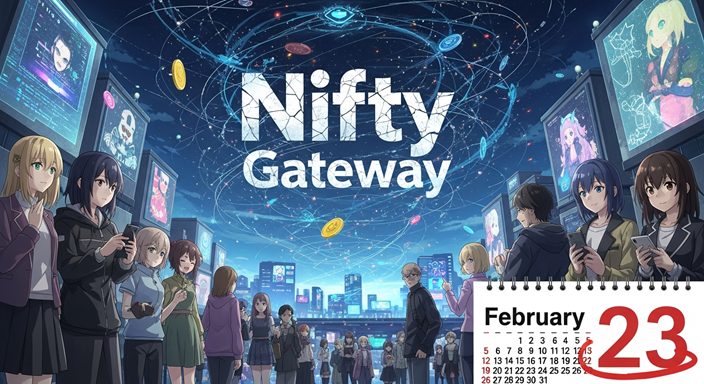
Nifty Gateway, once a big name in the NFT scene, announced it would close on February 23, 2026. This news hit the community hard. People loved how easy it was to buy, show off, and trade digital art there. As the clock winds down, the platform will only let people withdraw money and other assets during the transition period. Buying, selling, or trading NFTs on Nifty Gateway will come to a halt, but you’ll still be able to take out what you have left.
The notice isn’t vague about timing. It highlights key dates when certain features will be turned off and confirms that trading will end sooner, giving folks ample time to sort through their collections. It’s enough to make you worry about how safe your assets are and how easy it will be to get cash when you need it. In a market that’s been riding a bumpy road lately, this kind of wind-down stirs up questions about the future of platform longevity and asset custody in the NFT space.
This shutdown isn’t just a local disappointment. It could influence other marketplaces too. Investors and users will be watching closely to see what this means for their own assets and for the health of the NFT market as a whole. If more platforms decide to shut down or pivot, the ripple effects could be big and lasting.
The Growth and Effect of Nifty Gateway
Nifty Gateway was a pioneer for NFTs when it launched in 2020. Its mission was simple: make digital art and collectibles accessible to a broader audience. A standout feature was the ability to buy with credit cards, which opened the door for people who didn’t own cryptocurrency to join the NFT world. That accessibility helped the market grow and attract a wider range of buyers.
From the start, Nifty Gateway hosted big, memorable drops. These moments didn’t just sell out fast; they became defining events in the NFT landscape. Collaborations with artists and brands like Beeple, Grimes, and Pak drew massive attention. Some pieces sold for millions, and the excitement around these drops helped NFTs gain mainstream legitimacy. The platform’s curated vibe—limited artists, a sense of scarcity, and urgency—made the marketplace feel both collectible and cutting-edge.
Over time, that curated approach created a devoted community of creators and collectors. It wasn’t just about transactions; it was about a space where digital art could be appreciated, discussed, and monetized. Nifty Gateway helped shape the NFT conversation and opened doors for future art-focused platforms and projects.
The Change in Nifty Gateway’s Business Plan
In early 2024, Nifty Gateway announced a major shift: a move away from a traditional NFT marketplace toward what became known as Nifty Gateway Studio. This wasn’t just a rebrand; it was a strategic pivot to adapt to a changing market. The idea was to go beyond selling NFTs and become a full creator-focused platform.
That shift reflected bigger trends in the NFT world—new players entering the scene, changing consumer tastes, and a growing emphasis on brand partnerships and exclusive drops. The goal was to help artists thrive in a more collaborative, creator-friendly environment. The Studio concept focuses on collaboration over competition, making it easier for artists to connect with collectors and grow sustainable businesses. It also signals a move toward more curated experiences, where quality and creator support matter as much as the art itself.
This change affected everyone involved. For artists, it meant better tools, studio support, and marketing resources that could help them bring their ideas to life and reach a larger audience. For the platform, it was about building a reputation and long-term viability in a crowded, evolving market.
The Future of NFTs and the Market After Nifty Gateway
Nifty Gateway’s closure marks a significant moment in the NFT world, prompting many to wonder what comes next. The broader market has shown resilience, with rising market capitalization and trading activity across various platforms since the news. This suggests that while Nifty Gateway played a crucial role, the NFT space is moving toward more decentralized and diverse ways to buy and sell.
Big moves from established players hint at a broader trend. Animoca Brands’ purchase of Somo signals confidence that there’s lasting value in digital assets and related technologies. Gemini and others are stepping in to keep supporting the ecosystem beyond traditional marketplaces, focusing on better experiences and more robust tools for creators and collectors. All of this points to a more mature, multi-faceted NFT world—one that values collaboration, accessibility, and sustainability.
What this could mean for you
If you’re a creator:
The landscape may continue leaning toward creator-friendly, Studio-style setups. You might find more support, partnerships, and resources to help you bring projects to life and connect with collectors in meaningful ways.
If you’re a collector:
Expect changes in how you manage liquidity and custody during wind-downs. It’s wise to stay on top of deadlines, make sure you can withdraw funds when needed, and explore new platforms that offer smooth, trustworthy experiences.
For the market:
We could see a shift toward fewer big, singular marketplaces and more diversified channels—brand partnerships, cross-platform compatibility, and curated experiences that emphasize quality and creator care.