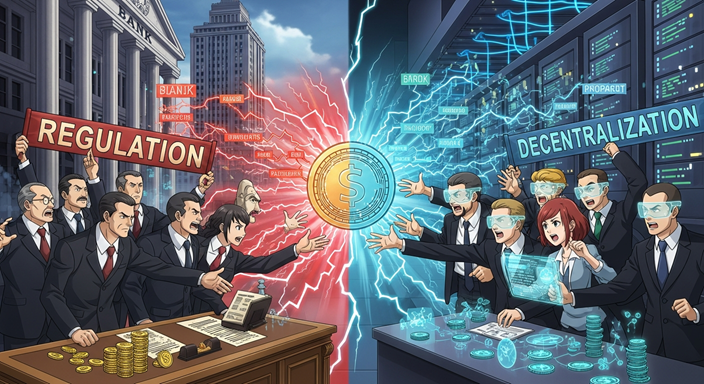

Australia’s new way of checking search age is now live. Ireland is looking to make stronger verification a Europe-wide goal, while the US is against regulating American platforms from abroad. Here’s a clearer, more human-centered look at what’s going on.
Australia: Strict Age Checks and Safety Filters That Are Turned On by Default When You Search
Australia’s rules for search engines that keep people safe online go into effect this week. Agencies have six months to fully comply. The main change means that major search engines must check the ages of logged-in users and automatically apply high-level safety filters to accounts that are likely to be run by someone under 18. Companies also have to make it easy for people to report violations and make sure that search results are filtered to get rid of unsafe content like graphic violence and explicit pornography.
Verification Methods and Privacy Concerns
There are many ways to verify someone’s identity, such as photo ID, facial recognition, credit cards, digital IDs, parental consent, AI tools, or third-party verifications. Privacy and free speech advocates are worried about what this could mean for people’s personal data and speech online.
Background: Australia’s Broader Online Safety Push
This comes after Australia limited access to social media for people under 16 on December 10. Critics say the new rules could lead to more widespread monitoring or curation of online content. Supporters say they make it safer for kids and keep them away from harmful content.
Ireland Pushes for Verification and Limits on Anonymity Across the EU
Ireland is pushing for bans on verification and anonymity across the EU.
Ireland is sending a message across the Atlantic that there should be more digital ID rules at the European level. Ireland plans to push for age verification measures for social media users across Europe when it takes over the presidency of the EU Council in July 2026. The goal is to make it so that people have to show their IDs to post online and to make it illegal to have anonymous accounts in the EU. This is all part of the fight against hate speech and false information.
Irish Leadership Calls for Coordinated Enforcement
Irish leaders, like Tánaiste Simon Harris and Media Minister Patrick O’Donovan, say that a coordinated approach across Europe is necessary. Harris says that Ireland already has a “digital age of consent” of 16, but it hasn’t been enforced yet. He says that getting more verification and dealing with anonymous bots will require more cooperation across borders than just Ireland.
Washington’s Response: Oppose Foreign Rules on U.S. Platforms
U.S. officials are worried that European and UK regulators are trying to shut down U.S.-based platforms and limit First Amendment protections in response to these actions abroad. A representative from the State Department said that foreign regulators are trying to censor American companies and speakers who work in the United States.
Enforcement Abroad and U.S. Pushback
Ofcom, the UK’s communications regulator, has started looking into the New York-based discussion forum 4chan for possible violations of the Online Safety Act 2023. This shows that other countries are actively enforcing online safety rules on platforms that reach people all over the world.
The Wyoming GRANITE Act is one of the U.S. policy options being looked at. It would give U.S. people and businesses the right to sue foreign governments that try to force censorship or content moderation on these platforms. The State Department also announced sanctions against five EU officials, saying they were behind efforts to pressure American platforms to censor or demonetize content and keep people from expressing views they disagree with.
The Bottom Line
- Australia has made it mandatory for search engines to verify users’ ages and use default safety filters. This will take six months to fully implement.
- Ireland wants to push for a similar verification process and a ban on anonymous accounts across the EU. They plan to start this during their EU presidency in 2026.
- The US is strongly against what it sees as censorship efforts by foreign regulators and is considering policy tools that could help American platforms deal with perceived pressure.